
 A naturally occurring mineral, fluoride is found in soil, water, and many foods. Its connection to dental health was first observed in the early 20th century, when researchers noticed lower rates of tooth decay in communities with naturally higher levels in their water supply.
Why Do Dentists Apply It?
The enamel on your teeth is constantly going through a process of demineralisation (when acids from bacteria and food strip minerals away) and remineralisation (when those minerals are replenished). This mineral supports remineralisation and helps strengthen enamel against acid exposure. Applied as a concentrated gel or varnish at the end of a check-up and clean, it provides a more concentrated application than standard toothpaste.
Should You Use Fluoride Toothpaste?
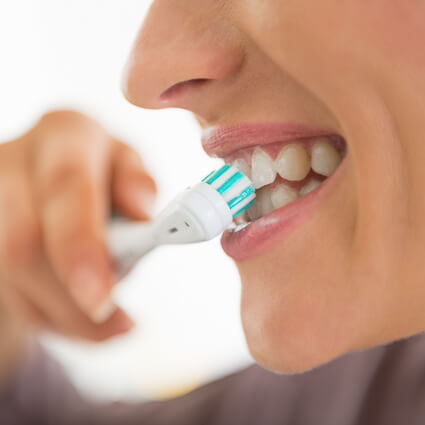
For most adults and children over six, yes. Fluoride toothpaste is widely recommended in preventative dental care. Look for a toothpaste with at least 1000 ppm, which is standard in most Australian products.
Is There Fluoride in Drinking Water?
In South East Queensland, community water fluoridation has been standard since 2008. The level maintained is around 0.7 mg/L, which sits within the range that dental and health authorities consider appropriate for community water fluoridation programs aimed at reducing tooth decay.
Understanding the Concerns
Some people are cautious about it, and it’s worth taking that seriously. The main concern is dental fluorosis, which refers to white spots or streaking on teeth that can occur if young children consume too much while teeth are still developing. This is why children under six use only a small, rice-grain amount of low-fluoride toothpaste. At the doses used in Australian water supplies and dental products, fluorosis risk is low.
Broader health concerns (linked to very high exposure, well above what Australians encounter) are not supported by current evidence at standard community levels.
Making an informed choice means looking at the evidence rather than the noise. Used appropriately, it continues to play an important role in preventative dentistry.