
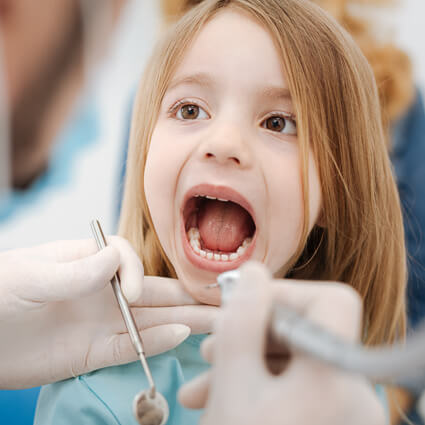
 Whether you’re wondering when to start fluoride, how often X-rays are needed, or what to expect at your child’s appointment, the right guidance can make dental care feel much simpler.
When Should Fluoride Be Introduced?
This depends on age. The general guidance from dental and paediatric health authorities in Australia breaks down like this:
- Under 18 months: Use a soft infant toothbrush with a very small smear of low-fluoride toothpaste or follow your dentist’s advice.
- 18 months to 5 years: A tiny smear of low-fluoride toothpaste, no more than a grain of rice. Children in this age group often swallow toothpaste, so a low-fluoride formulation reduces the risk of dental fluorosis.
- 6 years and older: Standard fluoride toothpaste is appropriate. At this point, children can reliably spit rather than swallow, and their developing teeth benefit from a higher fluoride level.
Does My Child Need Fluoride at Their Dental Appointment?
Professional fluoride varnish is a straightforward preventative option often recommended for children, particularly for those with a higher risk of tooth decay or diets high in acidic or sugary foods. Your dentist will recommend it based on your child’s individual risk level rather than as a blanket routine.
When Might My Child Need a Dental X-Ray?
Children don’t need X-rays at every visit. Bitewing X-rays are typically recommended when back teeth have grown close enough together that decay can’t be spotted visually. For most children, this means somewhere between ages six and ten, and then periodically after that.
The radiation exposure from a child’s dental X-ray is very low. Modern digital sensors reduce it even further, and lead aprons with thyroid collars may also be used during imaging. Dental X-rays can help identify concerns that may not be visible during a visual examination, which is why dentists recommend them only when clinically appropriate for your child’s age, symptoms, and risk factors. If your child has a low decay risk and no symptoms, X-rays may be needed less frequently.
Helping Children Feel Comfortable at the Dentist
Helping children feel comfortable at the dentist early can encourage positive long-term dental habits. We’re always happy to answer parents’ questions and help kids feel comfortable during their visits.